Natan P.
Technical Artist · Unreal Engine
High fidelity under constraint.
Self-taught Technical Artist based in São Paulo. Over a decade creating real-time assets that hold visual quality while surviving strict performance budgets on mobile, standalone VR and legacy platforms. Full pipeline — modeling, materials, optimization, Blueprints and production tooling.
Tactical Watch + Radiometer

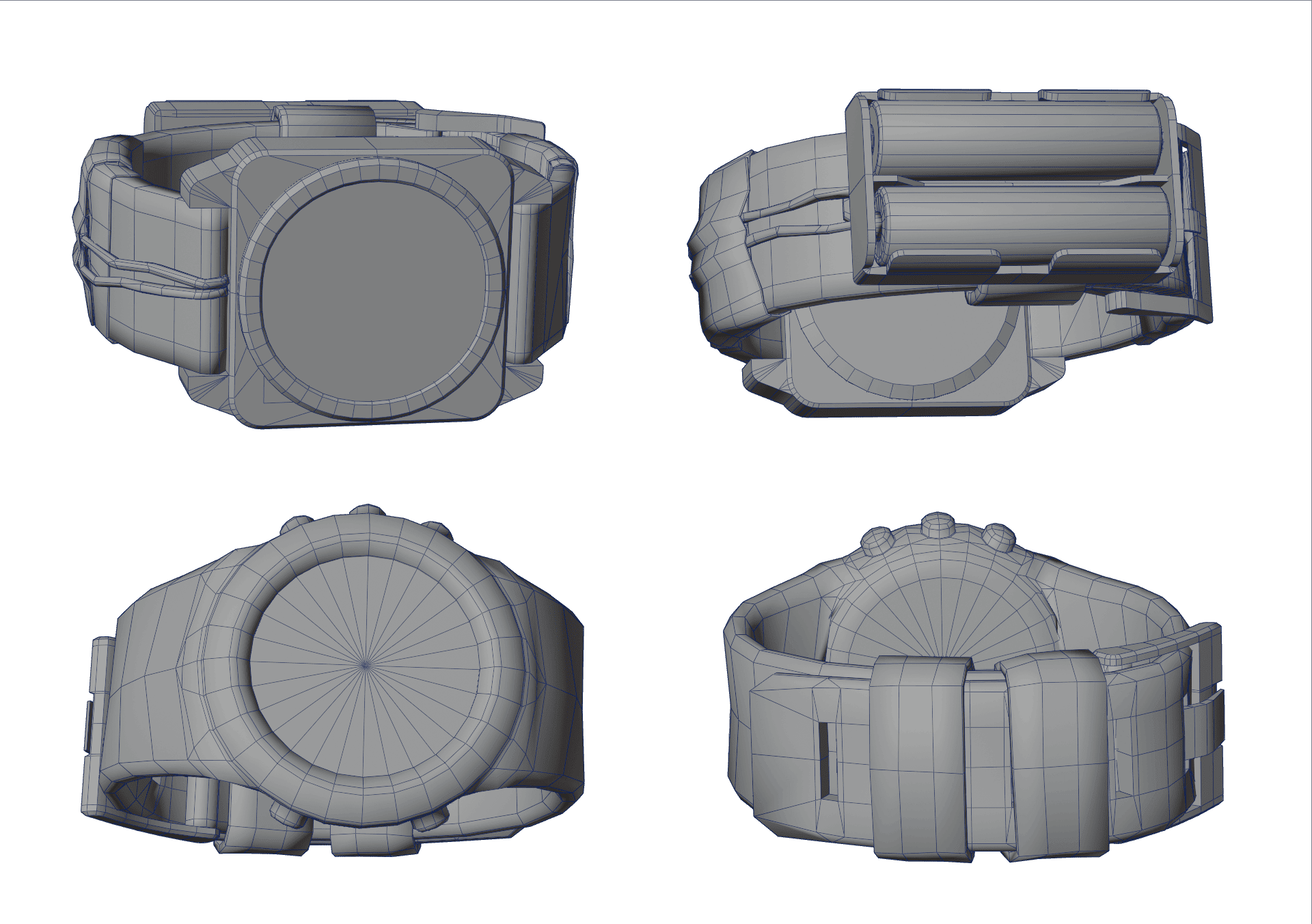
The strongest objects for the player are those whose design already merges technique and art. These watches contain their own interface logic and internal systems that connect to broader game mechanics. Instead of falling back to flat 2D UI, the devices themselves become the interface, increasing immersion.
Gas Mask

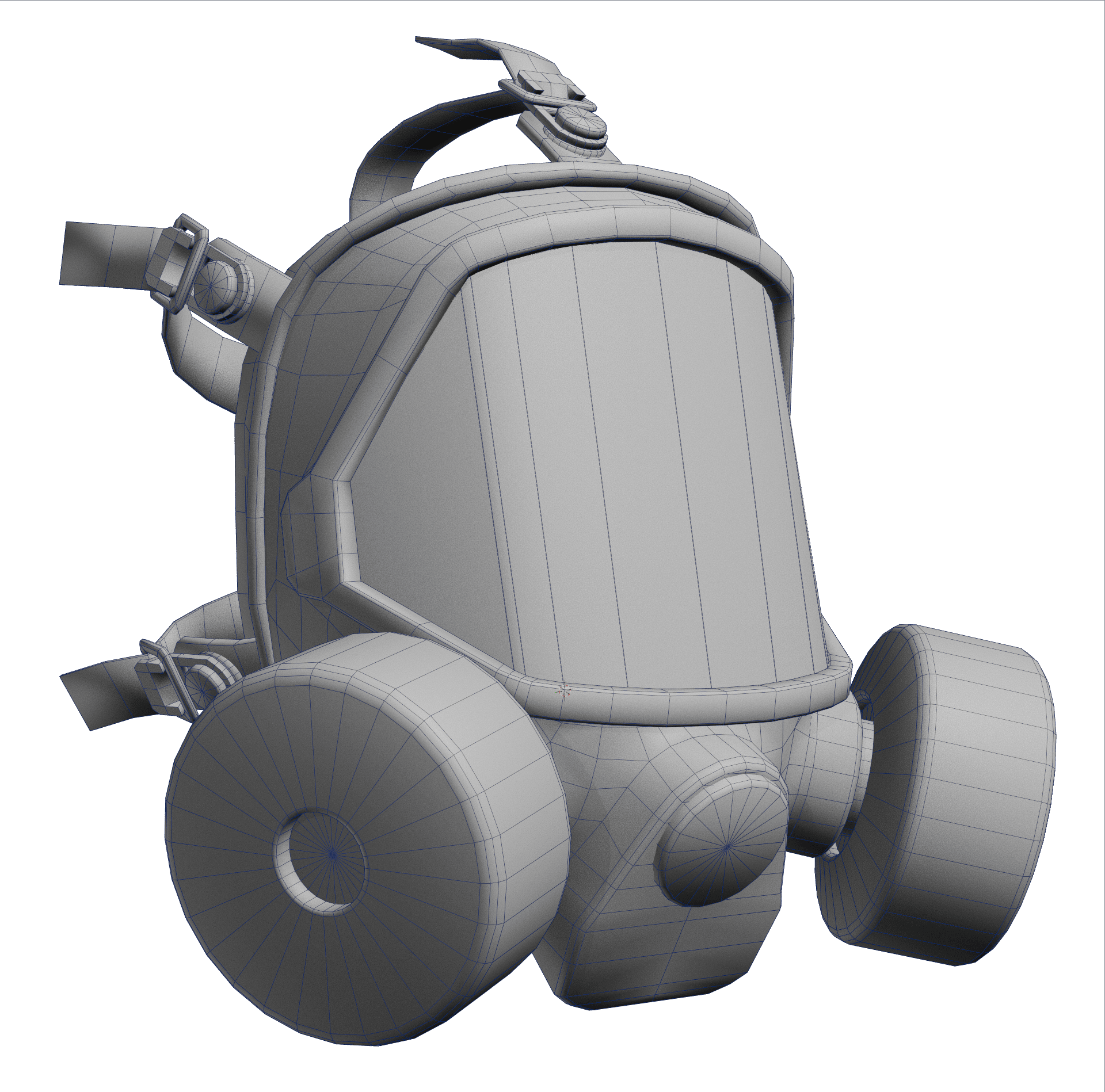
Glass on mobile is expensive and often impossible to deliver with true reflections. A custom Master Material uses a matcap-based approach to approximate reflective response even when alpha-supported glass is not viable. Soft organic forms are particularly costly on constrained hardware — deliberate design choices such as the squared lens geometry allowed higher overall detail while remaining performant.
Grenade

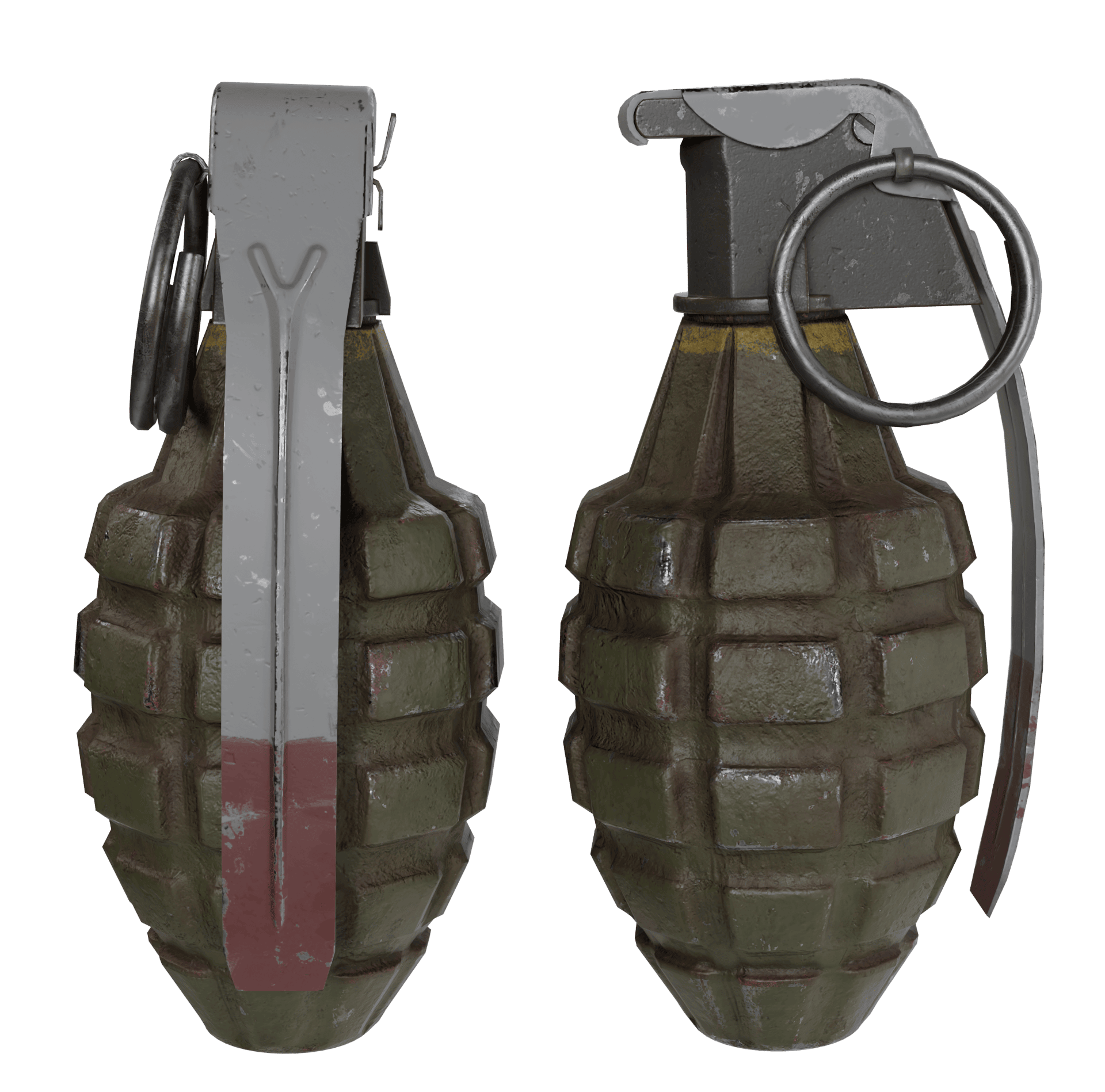
Designed specifically for VR interaction. The pin assembly is fully modeled so the fuze becomes visible when the pin is pulled. Research into recovered WWII MK2 grenades informed both the form and the weathered paint treatment. Every internal detail was intentional.
Guns

Weapons for VR demand a different poly budget philosophy. Exposed mechanical parts receive denser geometry while less visible surfaces are optimized aggressively. Careful UV layout and material study of real ballistic surfaces are essential to keep fidelity without breaking performance targets.
Chessboard

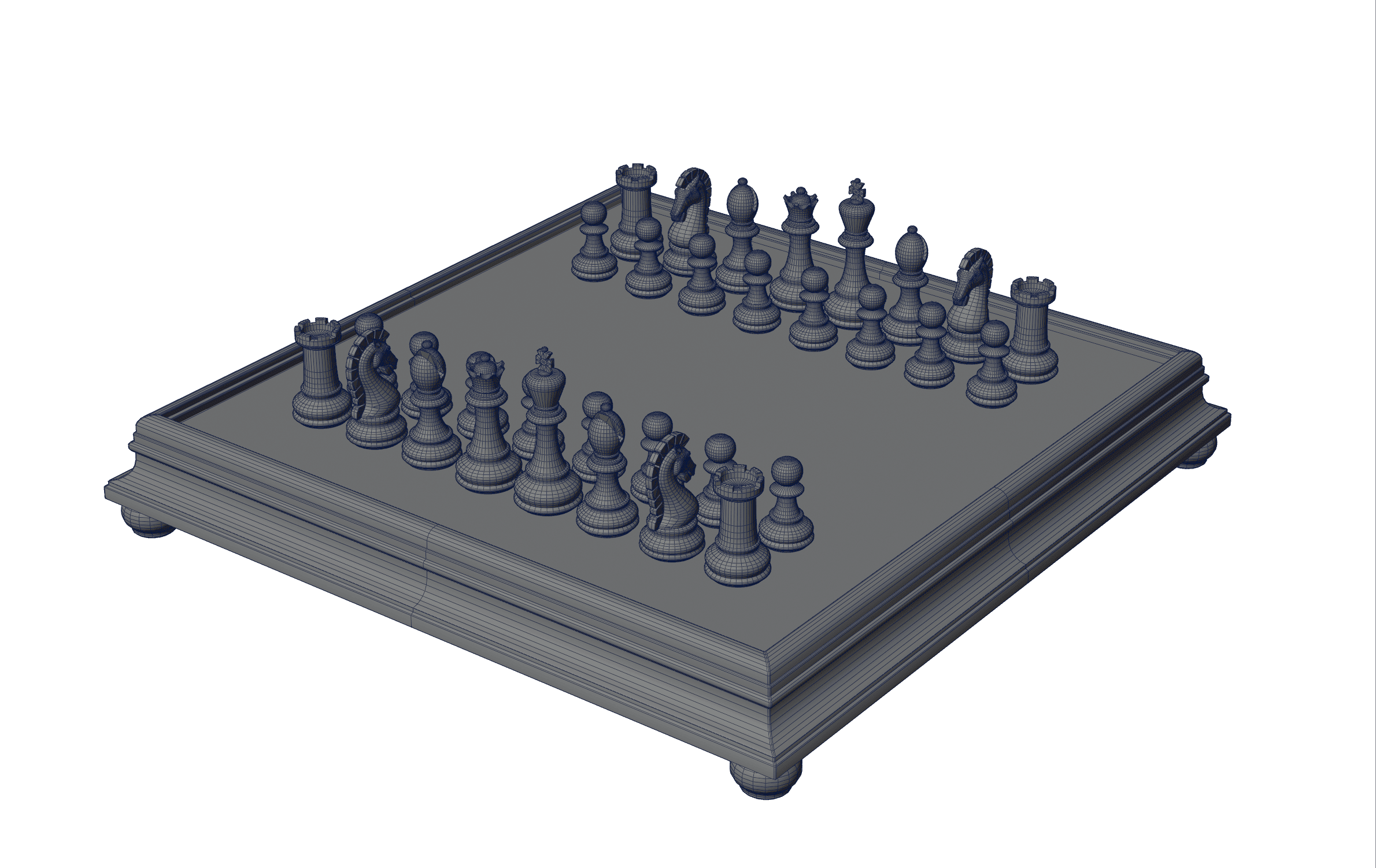
Part of a full VR chess project built from the ground up. Even a seemingly simple game carries significant technical complexity once spatial interaction, piece physics, table presence and performance on standalone hardware enter the equation.

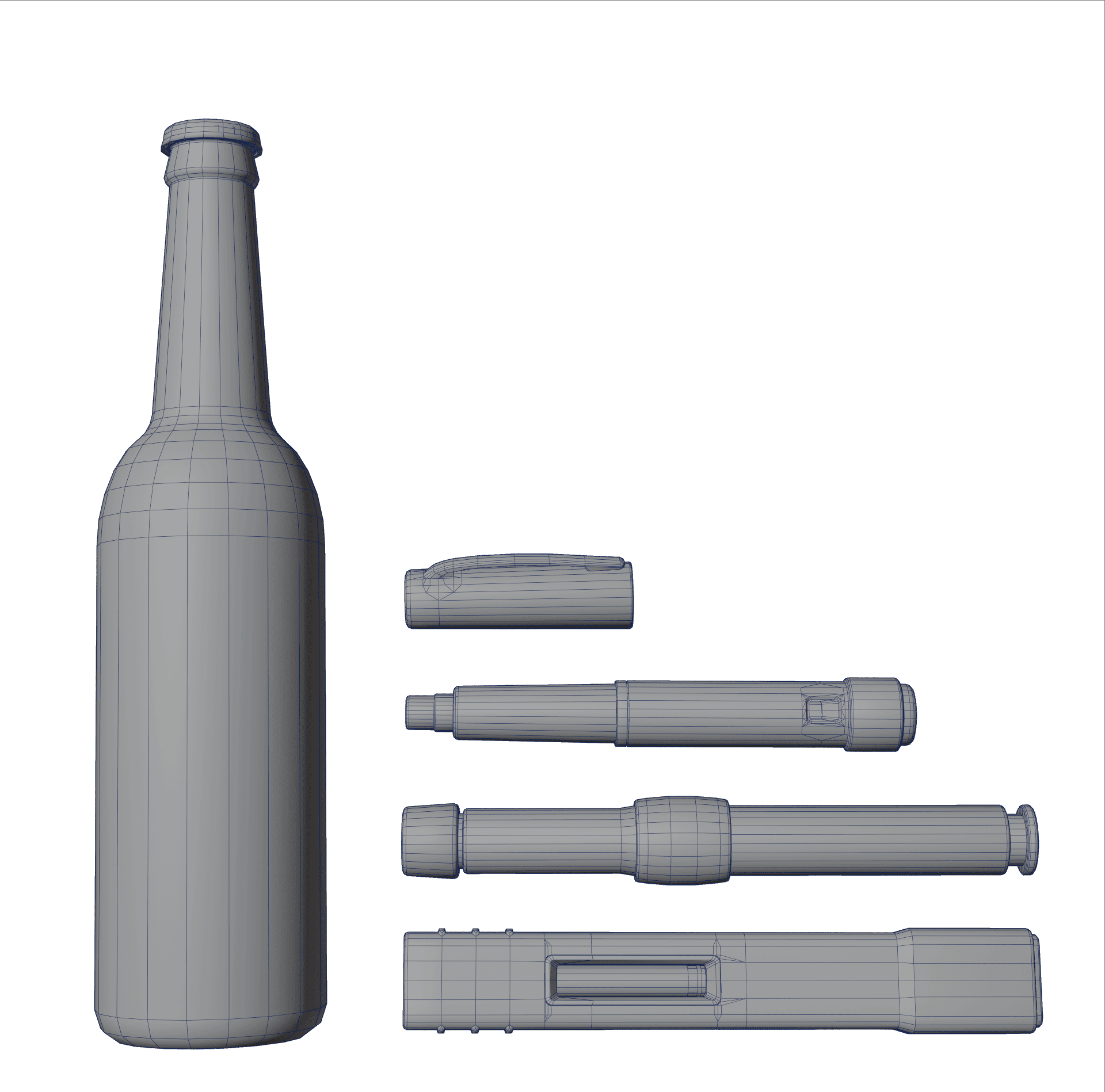
Harmonica

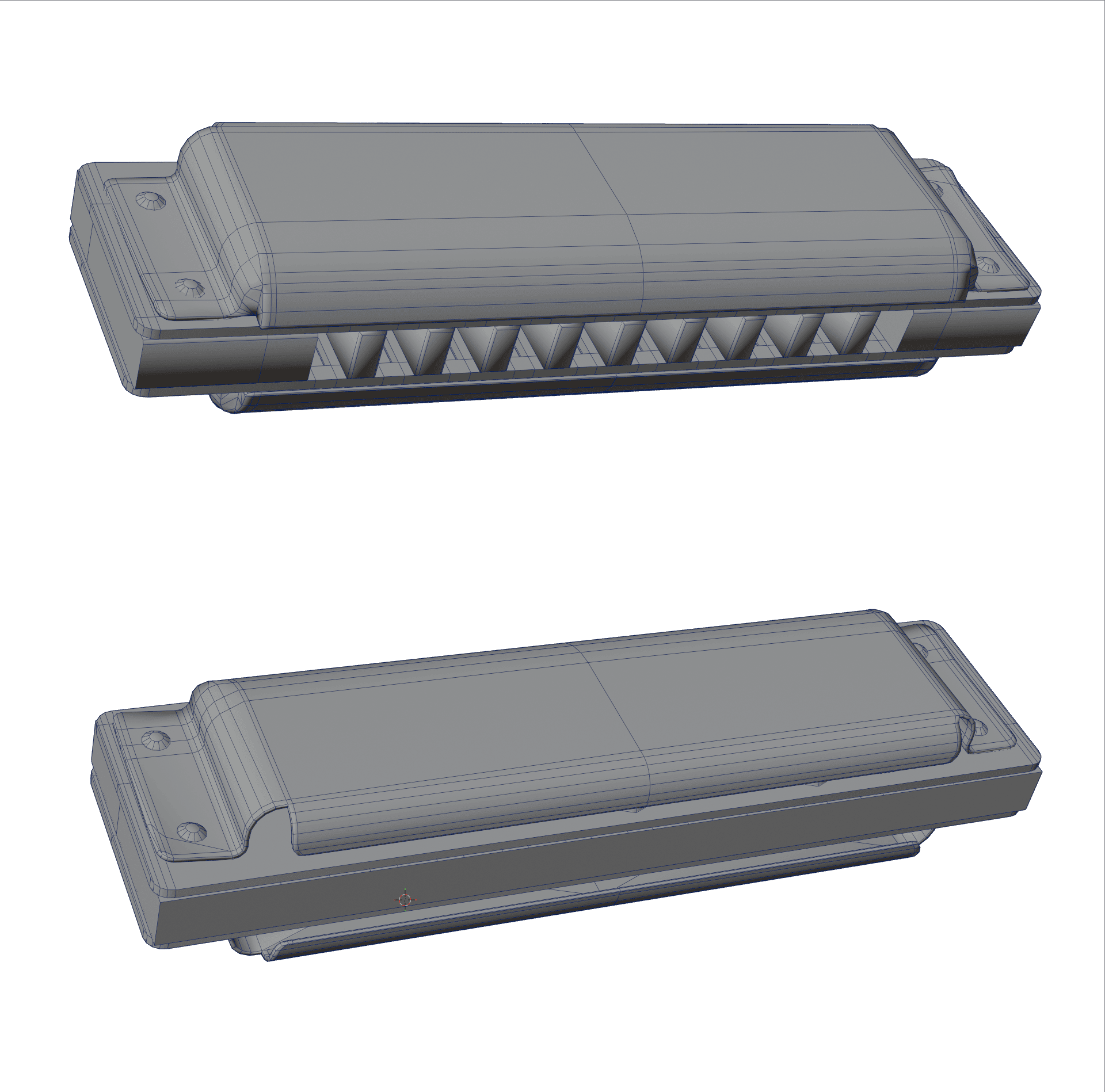
Proof that convincing real-world materials are achievable on mobile when PBR values are carefully tuned. Metallic and roughness ranges were iterated until the surface response felt authentic under typical mobile lighting conditions without relying on heavy reflection probes.
PDA

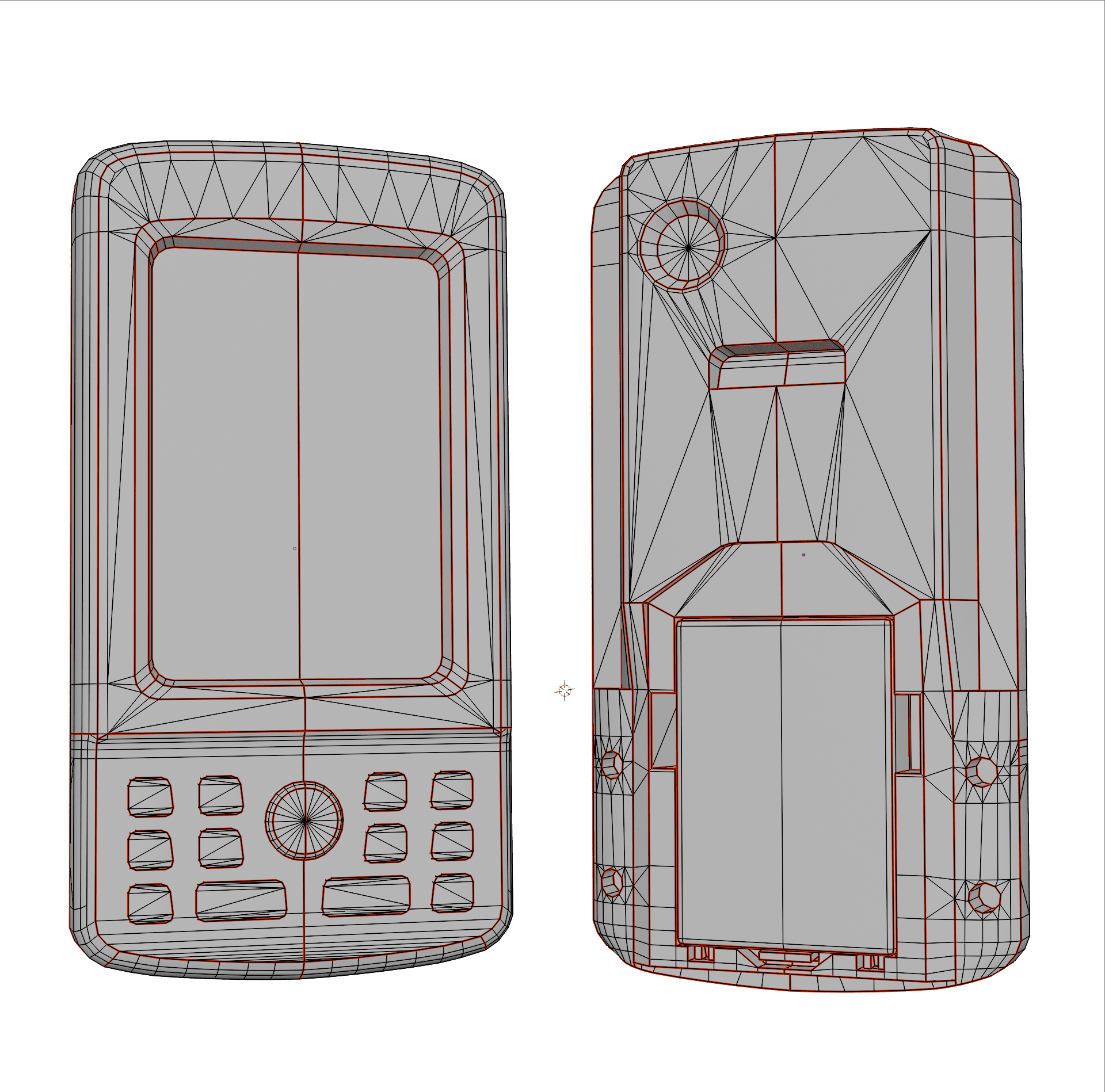
Like the watches, the PDA carries its own interface system designed to host menus that would otherwise live as pure 2D widgets. Thinking about interaction and systems from the earliest design stage allows deeper player connection with key objects.
Stylized RTS Buildings

Some projects are about shipping product, not gallery pieces. Reusable materials, shared texture sets and custom export tooling made it possible to produce a full set of stylized buildings for an Age of Empires–inspired RTS in only two days.
Jerry Can

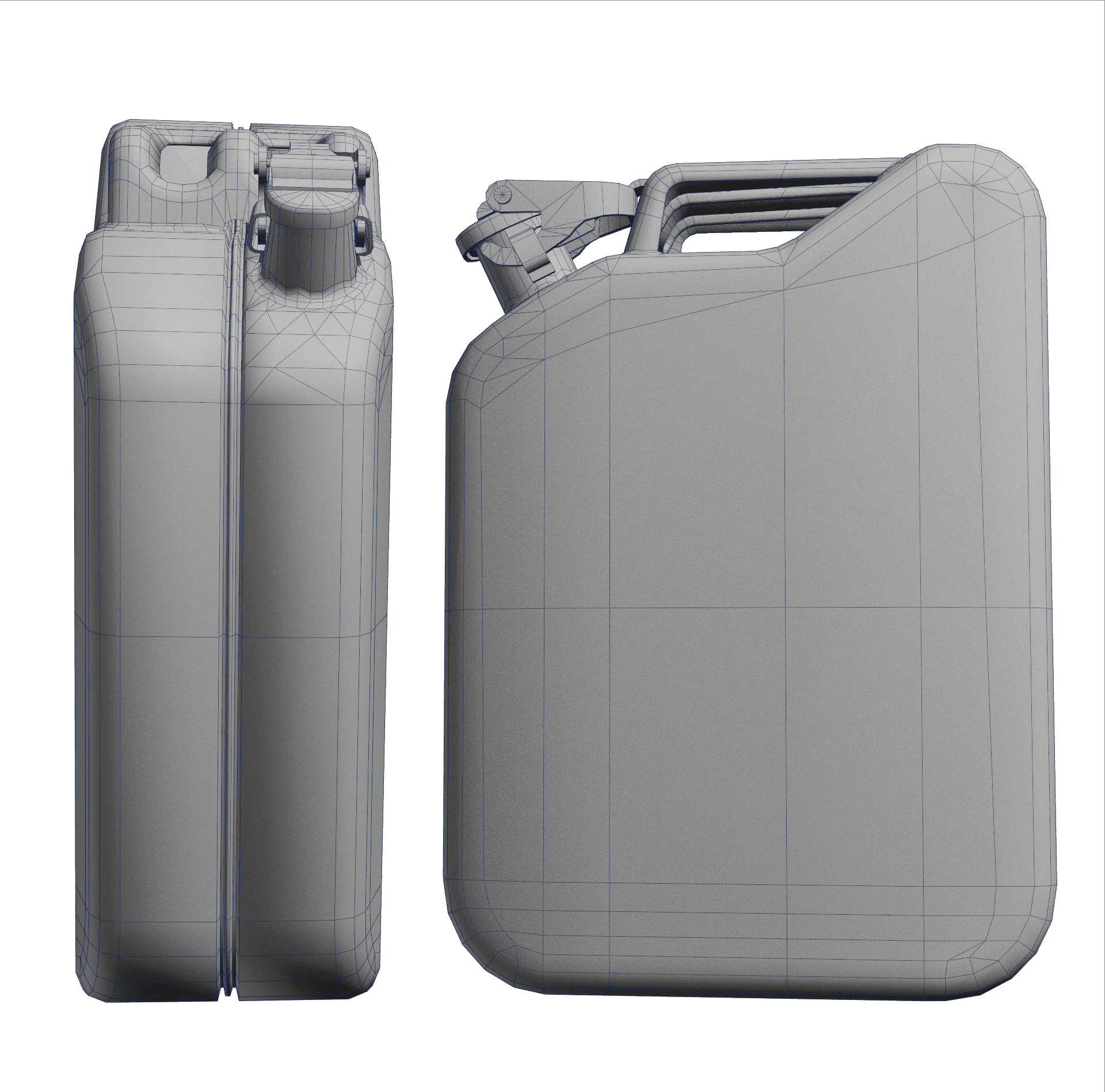
Good assets begin with research. Historical study of the WWII “Jerry can”, its manufacturing marks and field wear informed every texture decision — from dust accumulation at the base to the slightly stylized paint degradation. The goal is player connection even through the most ordinary objects.